

What Does a Doula Actually Do During Labor?
If you’ve been looking into hiring a doula, you’ve probably come across a lot of general descriptions:
“Emotional support.”
“Physical comfort.”
“Advocacy.”
All true. And vague.
Because when you’re in labor, you’re not thinking in categories.
You’re in it - navigating intensity, decisions, and moments that can shift quickly. The analytical, decision-making part of your brain takes a step back, while a more instinctive, primitive part takes the lead.
So what does a doula actually do in those moments?
Here’s what that support tends to look like in real time.
Hands-On Support That Actually Helps You Cope
This is often what people picture, and it does matter.
During labor, a doula is constantly adjusting to what your body needs in the moment.
That can include:
Position changes to help labor progress or reduce discomfort
Counterpressure (especially for back labor)
Hip squeezes or sacral pressure during contractions to reduce discomfort and help baby descend
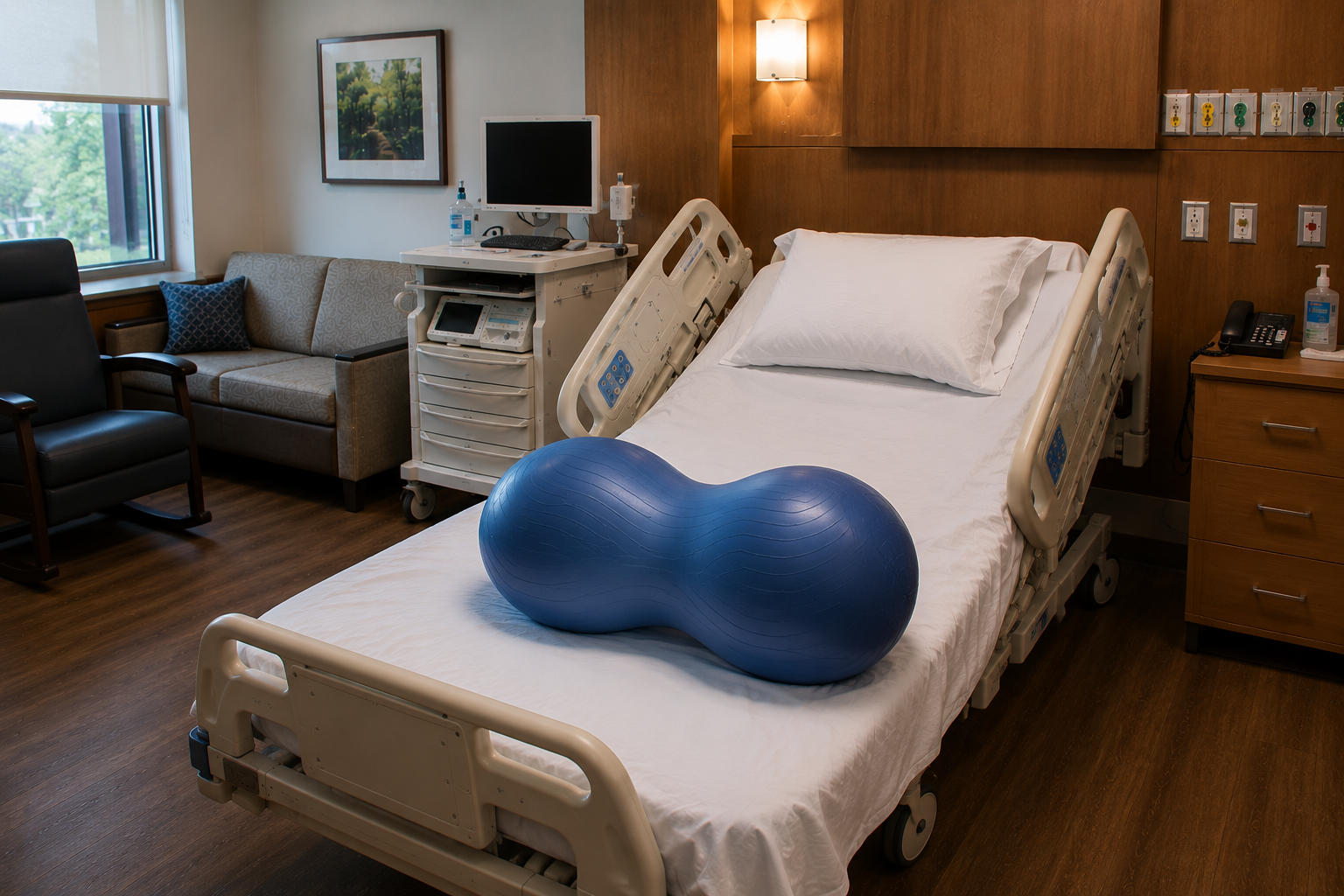
Using tools like a peanut ball, birth ball, or rebozo
Helping you rest between contractions so you don’t burn out too early
The goal isn’t just comfort - it’s helping you work with your labor instead of feeling like you’re fighting against it.
A Steady, Supportive Presence When Things Get Intense
Labor isn’t just physical. It’s mental and emotional, too.
There are often moments where things feel uncertain:
Is this normal?
Can I actually do this? Should we be doing something different?
A doula helps anchor you in those moments.
Not by taking over, but by staying steady when things feel. . . less than steady.
That might look like:
Helping you slow your breathing
Helping you stay oriented when contractions start stacking or intensifying
Reminding you what your body is doing and why
Sometimes the most valuable thing isn’t a technique - it’s having someone there who isn’t thrown off by what you’re experiencing.
Helping You Understand What’s Happening (Without Overwhelming You)
In a hospital setting especially, things can move quickly.
A provider may come in and suggest:
Breaking your water
Starting or increasing Pitocin
Placing internal monitors
None of those are inherently good or bad. But in the moment, those decisions can feel like a lot.
A doula helps you slow that moment down just enough to process it.
That might sound like:
“Do you want to talk through what that means before deciding?”
“We can ask what they’re seeing and why they’re recommending that.”
“Do you want a minute to think or try something else first?”
It’s not about resisting care. It's about helping you stay an active part of the decision-making process.
Supporting Your Family So They Can Support You
Your partner is important in this, too.
But most partners aren't sure how to help when things get intense and don't know what's within the range of normal during labor.
A doula helps bridge that gap.
That can look like:
Giving your partner clear ways to help (comfort measures, where to put their hands, what to say, when to step in)
Reassuring them when things are progressing normally
Letting them take a break to eat or reset without leaving you unsupported
Instead of replacing your partner, a doula helps them stay engaged and confident in their role.
Adjusting to Your Birth - Not Forcing a Plan
Some births are calm and gradual.
Some are fast and intense.
Some shift unexpectedly.
A doula’s role isn’t to keep things on a specific track.
It’s to meet you where your labor is and help you navigate that as it progresses.
That might mean:
Supporting an unmedicated labor with movement and hands-on comfort
Helping you stay calm and supported if you choose an epidural
Helping you process a change in plans without feeling overwhelmed or dismissed
The support adjusts but the goal stays the same:
You’re able to stay oriented, make decisions with clarity, and have steady support through the whole process.
Staying With You, Start to Finish
In a hospital, nurses and providers rotate.
A doula stays.
That continuity matters more than people expect.
Because it means:
You don’t have to re-explain your preferences over and over
Someone is consistently paying attention to how you’re doing and not just your chart
There’s a familiar presence in the room as things intensify
It’s one of the simplest parts of doula support, and one of the most impactful.
The Bottom Line
A doula doesn’t replace your medical team.
And they don’t make decisions for you.
What they do is stand in the gap between clinical care and continuous support.
They help you:
Stay steady when things feel intense
Work with your body during labor
Understand what’s happening and what your options are
Stay connected to your preferences - even if things shift
And often, that’s what makes the difference between a birth that feels overwhelming and one that feels supported, steady, and easier to navigate.
If you're planning a hospital birth in the Lansing or Mid-Michigan area and want steady, informed support, you can reach out here.
